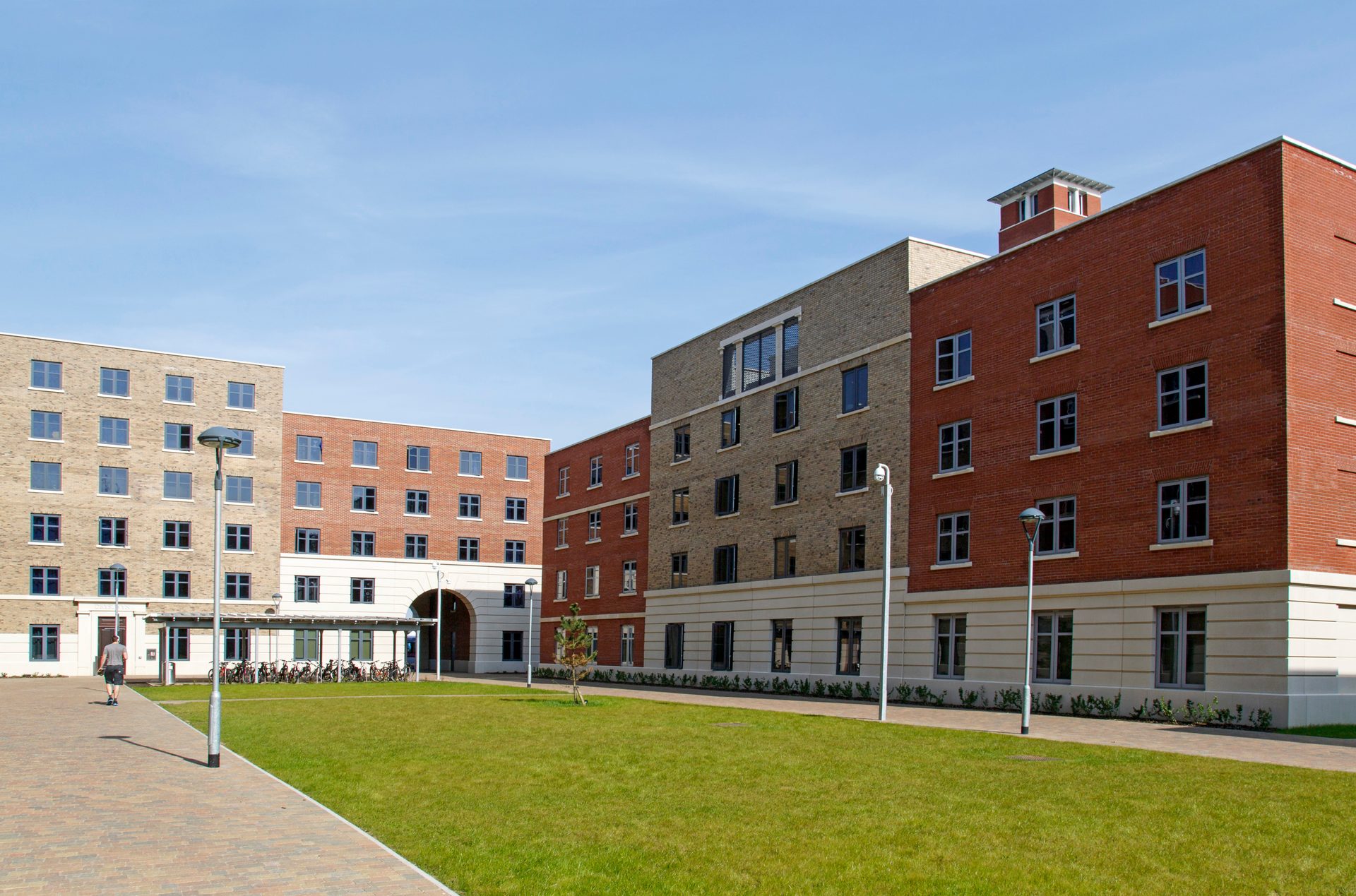
The regulations multi-occupancy residential must meet.
HMOs and PBSA sit at the intersection of residential and commercial fire safety law. Communal areas fall under the Fire Safety Order; flat entrance doors trigger Regulation 10 for buildings above eleven metres. Here is what applies across the portfolio.
Fire Safety Order 2005
Article 8 imposes a duty on the Responsible Person to take general fire precautions in the non-domestic parts of HMOs and PBSA: communal corridors, lobbies, lifts, and stair cores all fall in scope.
Fire Safety (England) Regs 2022
For buildings above eleven metres, Regulation 10 mandates quarterly checks on communal fire doors and annual checks on flat entrance doors. The headline cadence for this sector, and not risk-based.
Building Safety Act 2022
Higher-risk buildings above eighteen metres or seven storeys carry the Accountable Person duty, golden thread record-keeping, and registration with the Building Safety Regulator.
Housing Act 2004
Mandatory HMO licensing for premises let to five or more unrelated occupants. Most local authorities operate additional or selective licensing schemes that add their own fire safety conditions.
LACORS housing fire safety guidance
The reference document local authorities use when assessing fire safety in HMOs and small residential premises. Forms the practical benchmark for prosecution and licensing decisions.
BS 8214
Code of practice for fire door assemblies. The technical inspection standard DoorTRACE checklists follow as default, and the methodology competent inspectors apply UK-wide.
Built around how HMOs and PBSA actually operate.
DoorTRACE configures around the residential cadence: quarterly communal checks, annual flat entrance checks, and the multi-block portfolio reality of the operators that run them.
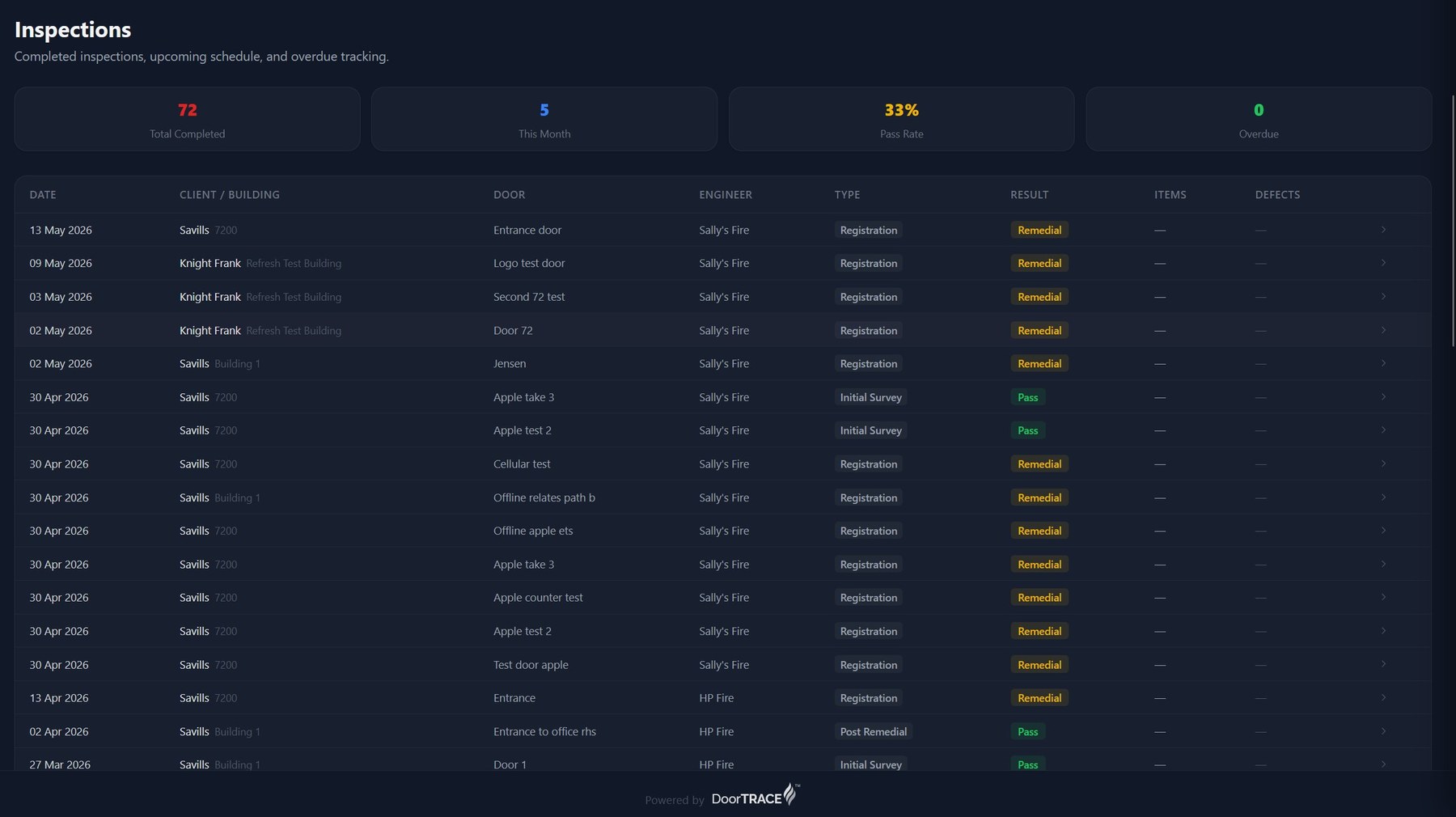
Reg 10 cycles, tracked at portfolio level.
The Fire Safety (England) Regulations 2022 cadence is the backbone of the FM Portal. Every block has a quarterly clock for communal doors and an annual clock for flat entrance doors. Engineers assigned, refused flats flagged, evidence locked. The fire authority can read the cycle from a single screen.
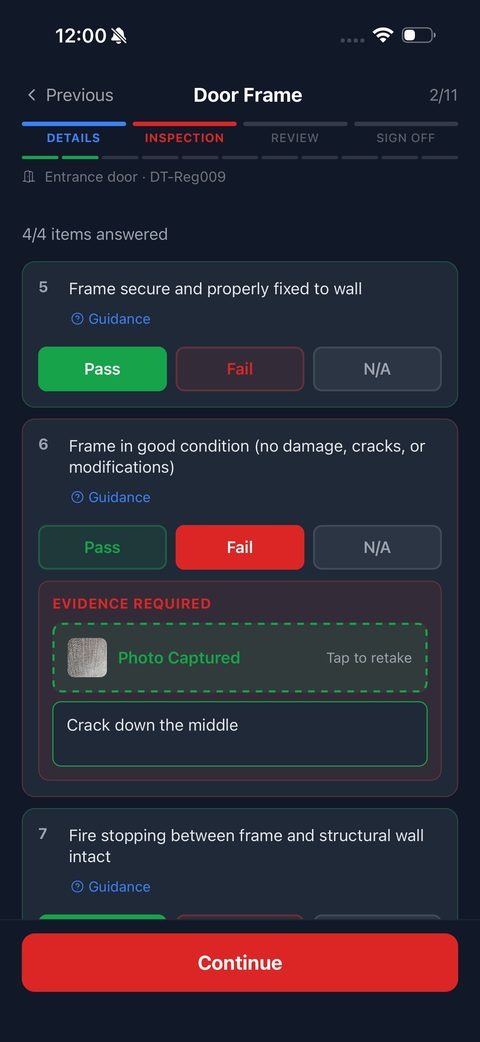
An engineer app for buildings full of people who live there.
Scan a QR plaque, log the inspection, photograph the door, or photograph the locked flat door if access is refused. Offline-first for plant rooms and stair cores, syncs the moment signal returns. The refusal log is as important as the inspection: it builds the documented evidence trail Reg 10 requires.
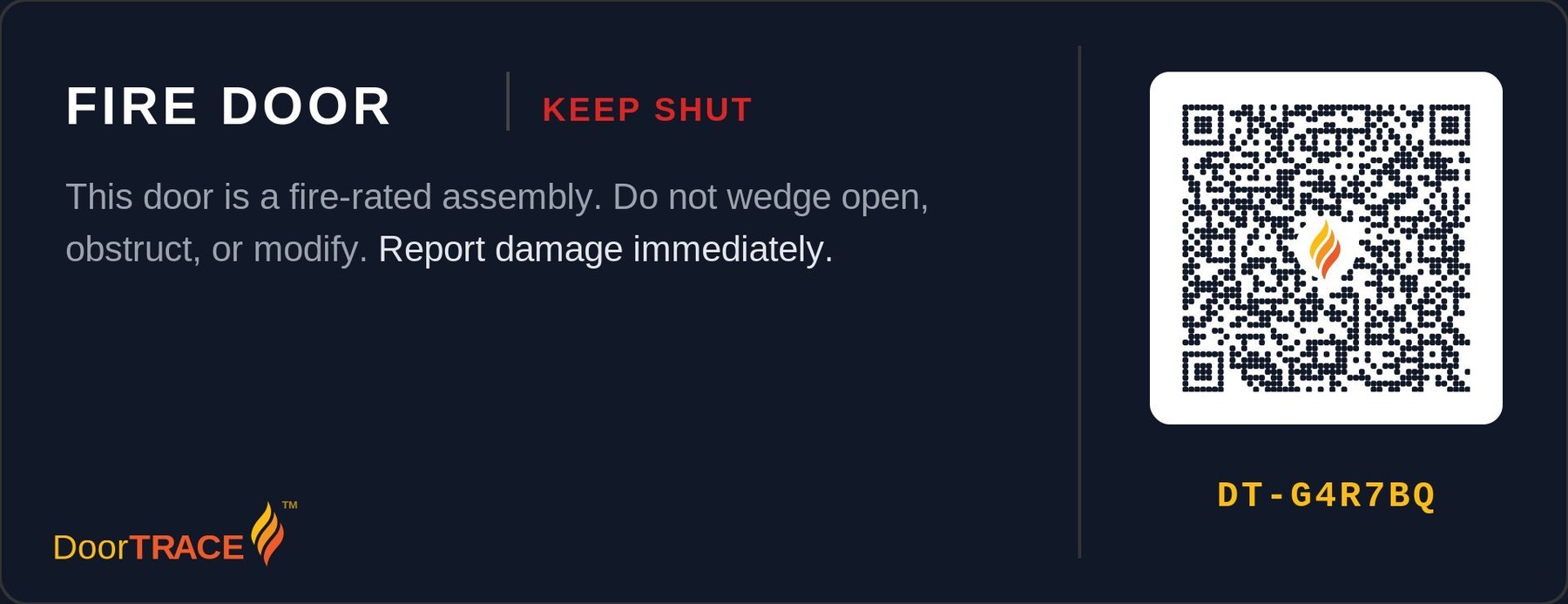
A plaque every resident can scan.
Every communal door and flat entrance carries a QR plaque. Residents, asset managers, and inspectors can verify compliance from their own phone in seconds. The same scan opens a full inspection panel for engineers, and the plaque survives daily corridor use, kitchen splashback, and the occasional moving van.
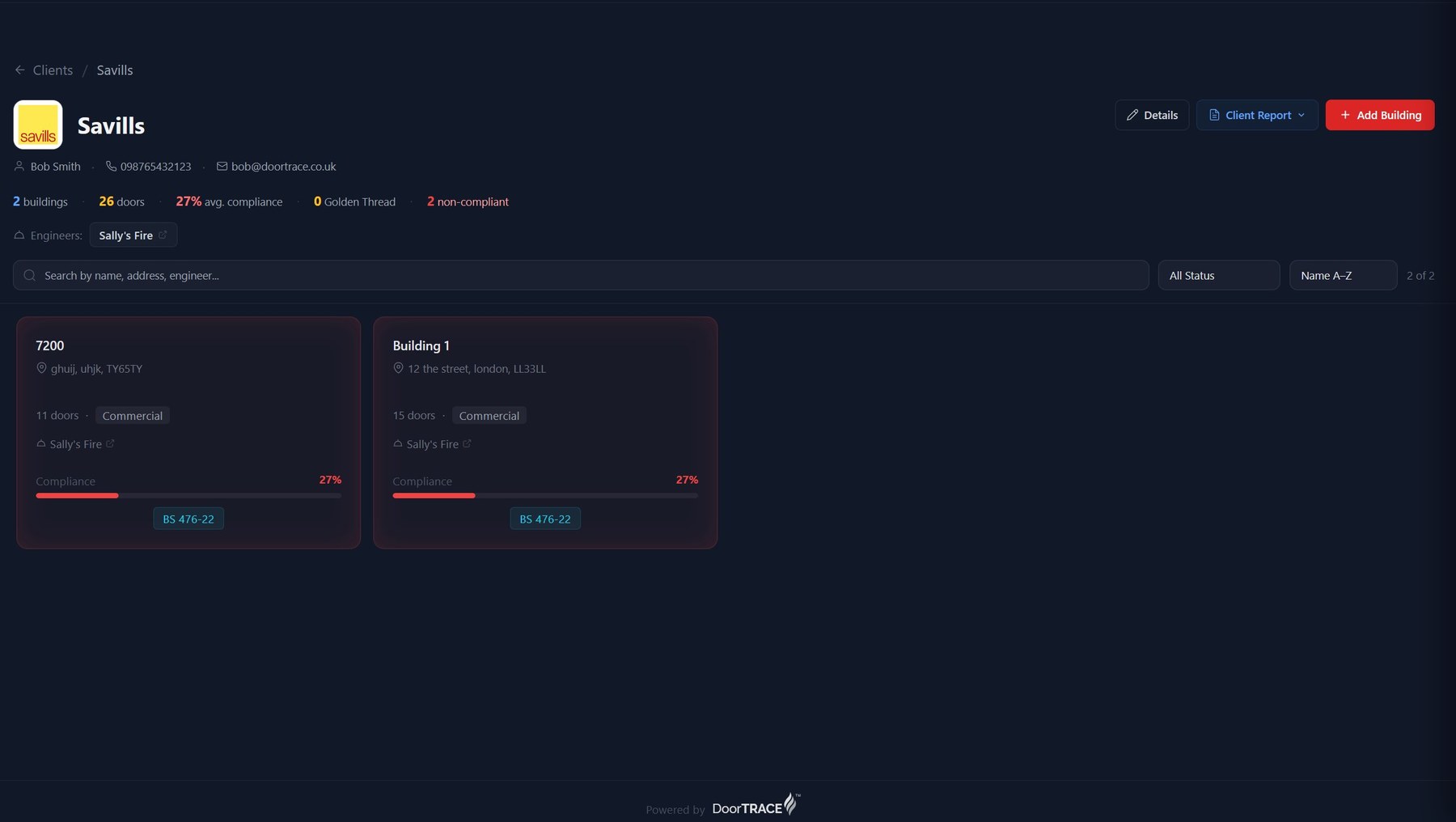
Thirty buildings, one quarterly view.
View every block in the portfolio at portfolio level: quarterly traffic lights, refused-flat counts, open defects, days until next cycle. Sort by region, asset manager, or risk tier. Drill into any building for door-by-door history and the audit trail your asset director, your insurer, and your fire authority will all ask for.
The UK multi-occupancy market, in fire door terms.
A week in the life of a PBSA compliance manager.
It is 08:00 on a Monday. The compliance manager for a twenty-eight-block PBSA portfolio opens DoorTRACE before the engineer arrives at the Manchester block.
The engineer arrives at the Manchester block: 240 beds, fourteen stair-core doors, thirty-eight communal corridor doors, plus flat entrance checks staggered through the week. The day's plan loads on the engineer app in under a minute.
Two flat entrance doors are refused: residents asleep after a late shift. The engineer photographs the closed door with a timestamp, logs the refusal in DoorTRACE, and the resident liaison team gets an automatic alert to nudge those flats by message before the end of the day.
A communal stair-core door fails the gap test in Block B: five millimetres at the threshold, well above the four-millimetre BS 8214 limit. The defect is logged with photographs and routed to the procurement lead for a priority-two repair quote.
The last refused flat is inspected on the second attempt. The quarterly cycle for the Manchester block closes on time. The portfolio dashboard shows green; the audit trail is available to the building manager, the asset team, and the fire authority within seconds.