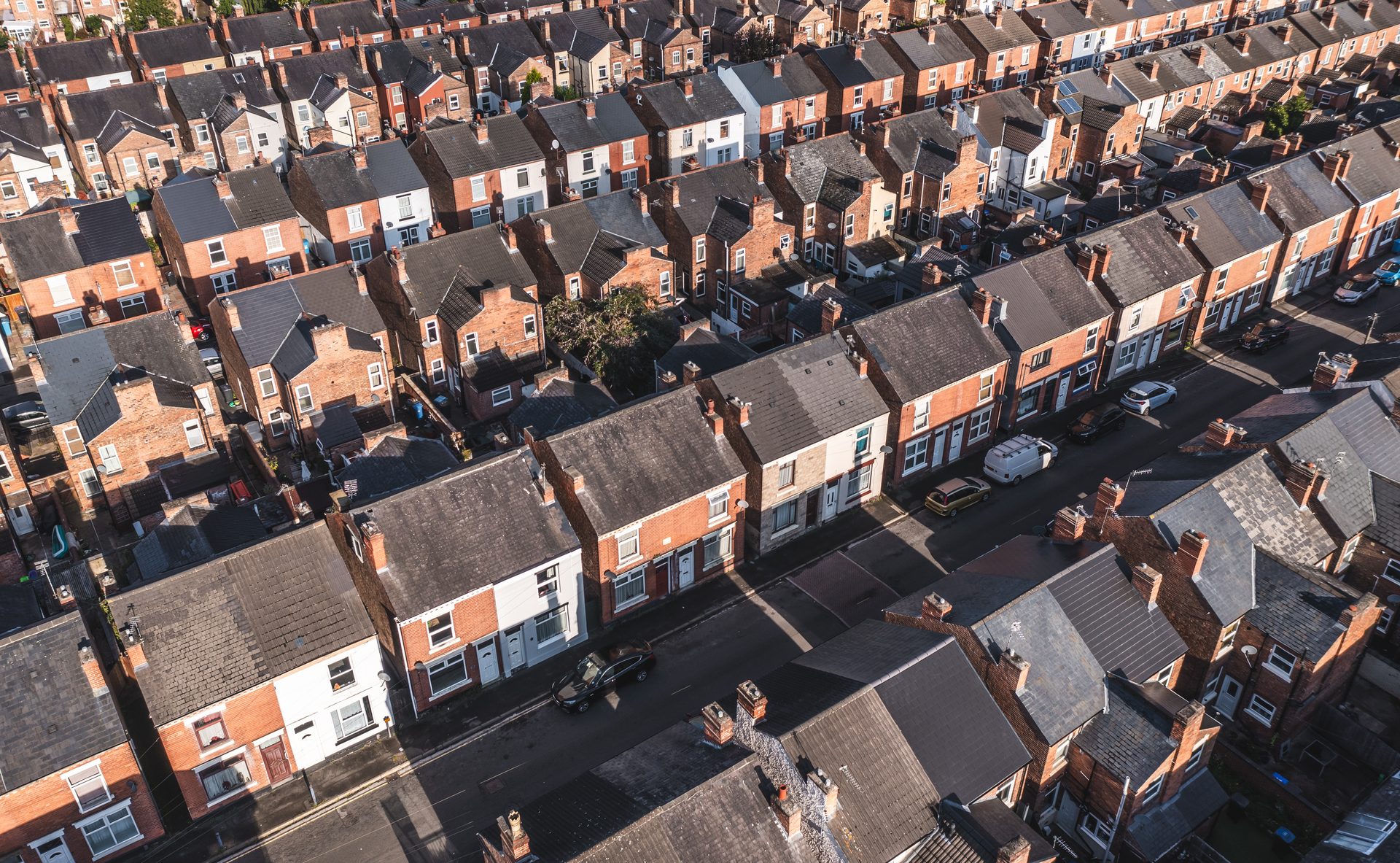
The regulations social housing landlords must meet.
Social housing providers sit inside the densest fire safety regulatory environment in the UK. The Fire Safety Order is the floor; the Building Safety Act and the Social Housing (Regulation) Act 2023 raise the ceiling. Here is what applies across a typical portfolio.
Fire Safety Order 2005
Article 8 imposes a duty on the Responsible Person to take general fire precautions in the non-domestic parts of social housing: every communal corridor, lobby, lift, and stair core in HA and LA stock sits in scope.
Fire Safety (England) Regs 2022
For any building above eleven metres containing two or more sets of domestic premises, Regulation 10 mandates quarterly communal door checks and annual flat entrance door checks. Most HA mid-rise and high-rise stock falls within scope.
Building Safety Act 2022
Higher-risk buildings above eighteen metres or seven storeys carry the Accountable Person duty, golden thread record-keeping, and registration with the Building Safety Regulator. HAs typically hold two to five percent of their stock as HRBs.
Social Housing (Regulation) Act 2023
Reinforced consumer regulation by the Regulator of Social Housing, the foundation for Awaab's Law on hazard remediation timeframes, and a professional standards regime for senior housing managers. Fire safety failures sit inside this regime.
Decent Homes Standard
The government benchmark for social housing quality, with fire safety embedded in the Category 1 hazard component of the Housing Health and Safety Rating System. Stock failing the standard triggers regulator engagement.
Housing Ombudsman Service
The statutory complaints route for social housing tenants, with Spotlight reports on fire safety since 2019. Determinations and severe maladministration findings now reshape sector practice and procurement priorities.
Built around how social housing actually operates.
DoorTRACE configures around the social housing reality: stock diversity, multi-stakeholder accountability, tenant rights, and a regulator that reads the same audit trail you do.
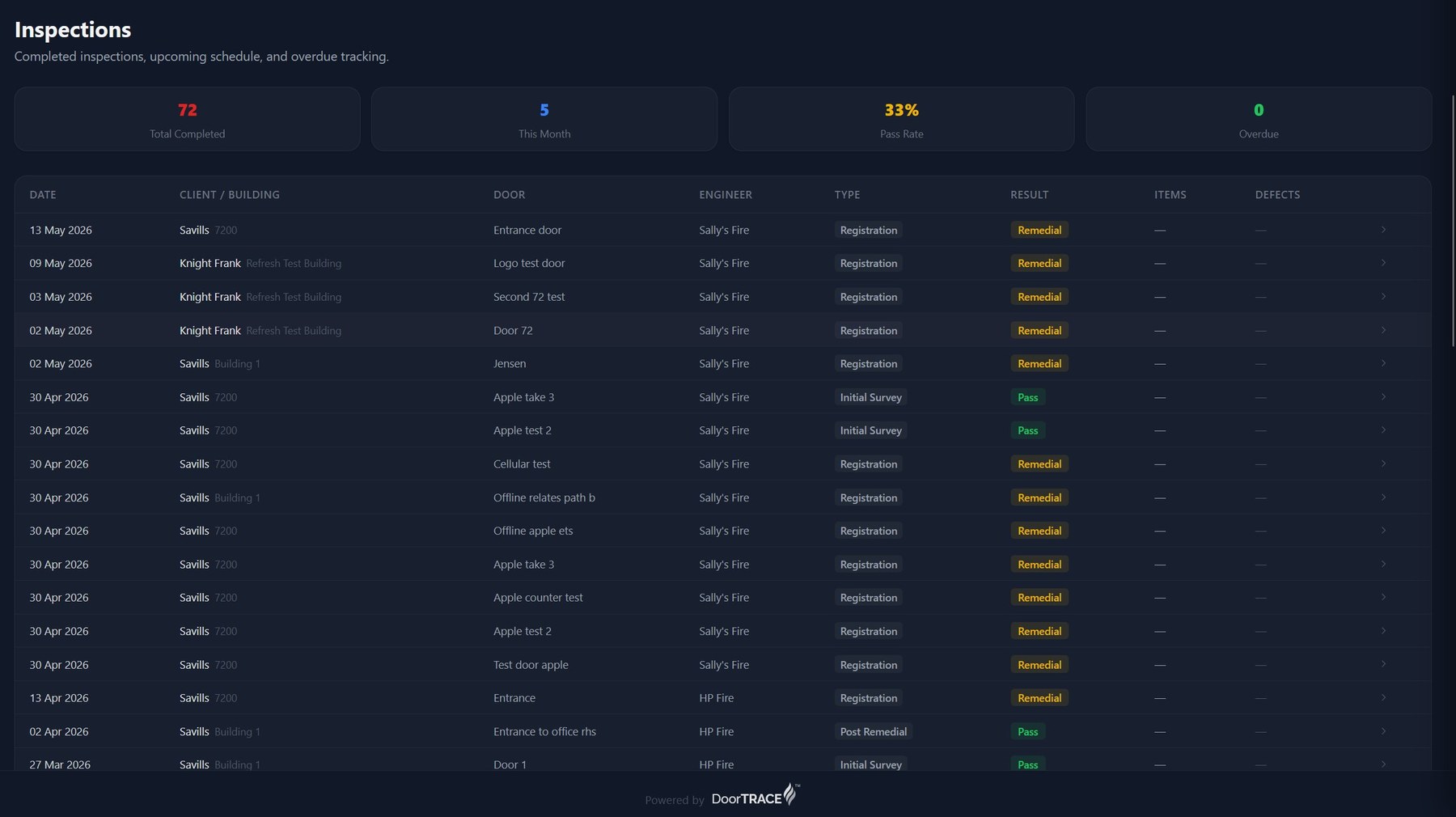
Every building type, its own compliance clock.
Reg 10 quarterly cycles run on mid-rise and high-rise stock. Annual flat entrance checks run on every block over eleven metres. Lower-rise communal blocks run risk-based. DoorTRACE configures the right cadence per building automatically, so a Compliance Director never has to remember which regulation applies to which block.
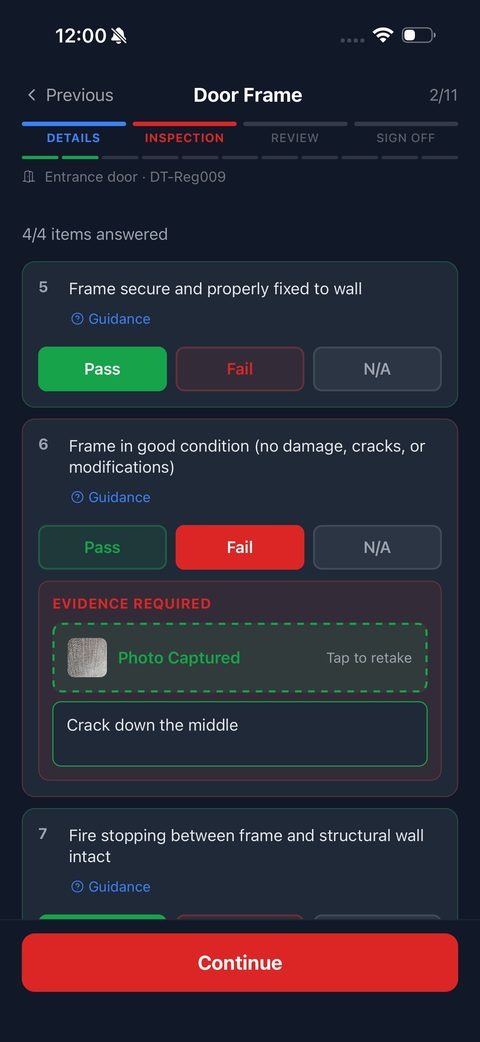
An engineer app for buildings where tenants have rights.
Refused flat entrance doors are logged with a timestamped photo of the attempt, not a missing record. The engineer app captures attempt, refusal reason, and re-booking trigger, all of which feed straight into the tenant engagement queue. The audit trail shows reasonable steps were taken, which is what the Housing Ombudsman and the fire authority will both look for.
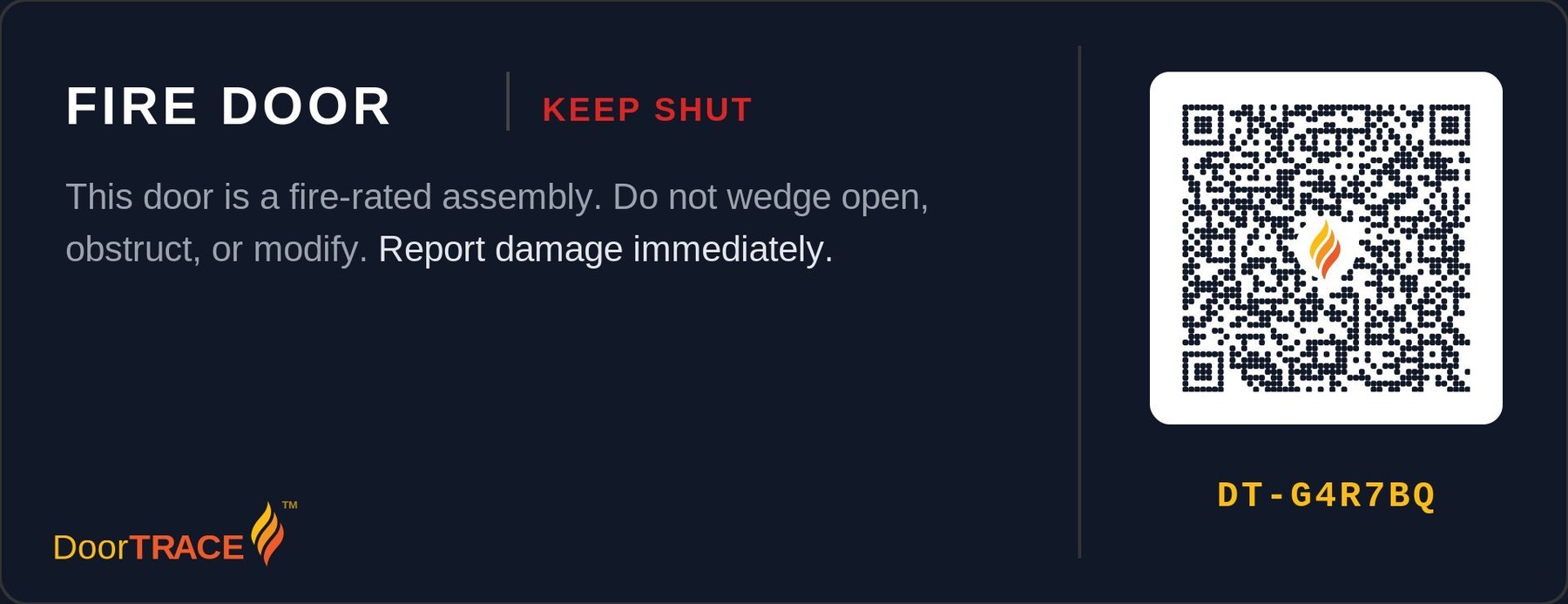
A plaque every tenant can scan.
Every communal door and flat entrance carries a QR plaque. Tenants, resident engagement teams, and contractors can verify a door's compliance from their own phone in seconds. The same scan opens a full inspection panel for engineers. Plaques are vandal-resistant and durable through everything from corridor traffic to repairs work.
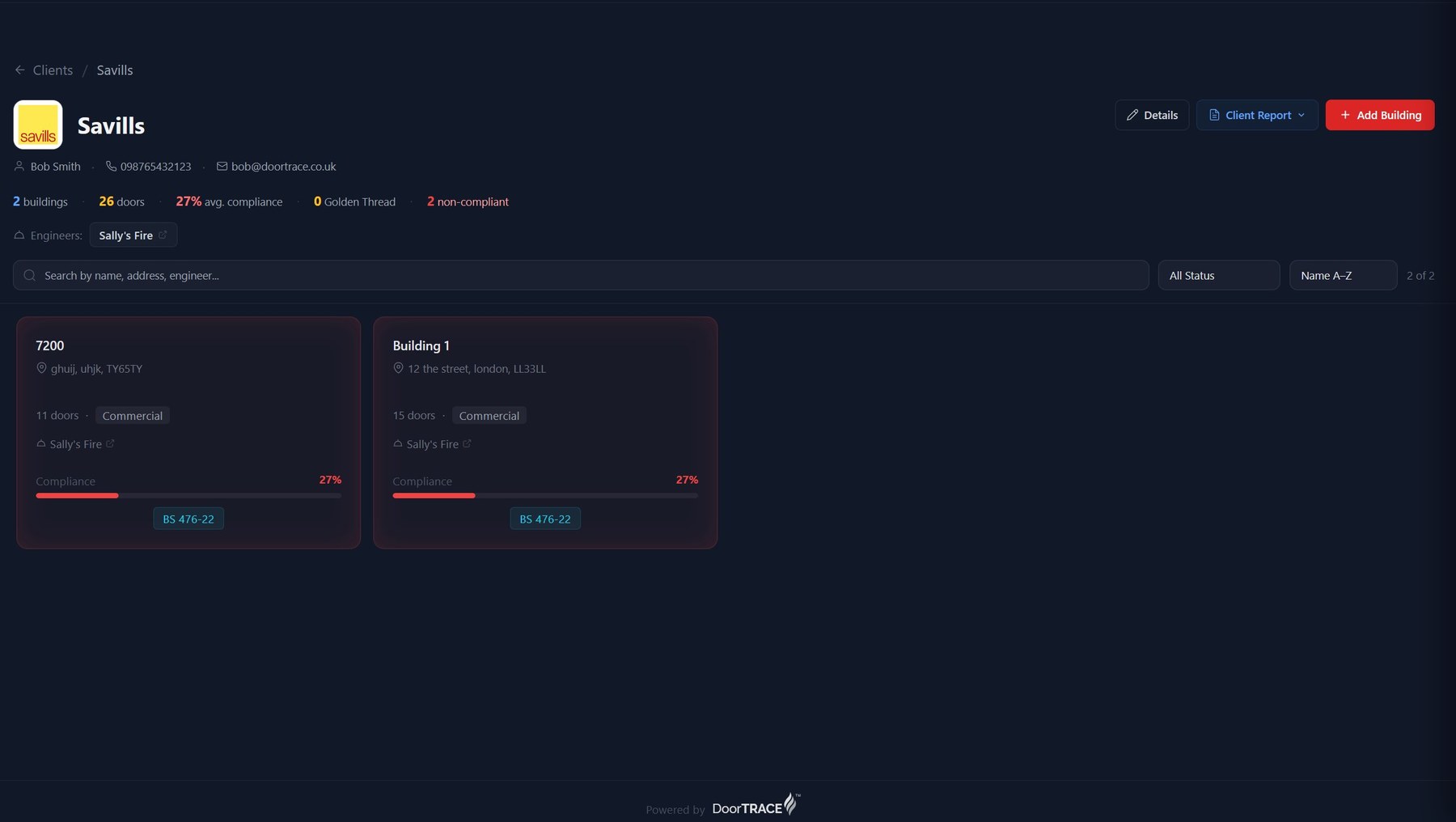
Twenty-two thousand homes, one accountable record.
Portfolio-level traffic lights by region, by stock type, by building age. Drill into any building for door-by-door history, Reg 10 cycle status, open defects, and refused-flat queues. Export a BSR information request response in two clicks, an Ombudsman complaint evidence pack in five, a board pack in ten minutes.
The UK social housing sector, in fire door terms.
A week in the life of a housing association compliance director.
It is 09:00 on a Monday. The Compliance Director of a twenty-two-thousand-home housing association opens DoorTRACE before her first meeting of the week.
The portfolio dashboard shows two Bristol blocks amber: one quarterly cycle is due in eleven days, the other has three flat entrance doors with refused-access flags from the last visit. She assigns two engineers from the framework contractor list. The engineer apps update inside thirty seconds.
Engineer at a Bristol mid-rise flags a damaged self-closer on the eighth-floor corridor door. Photo logged, defect routed to the Repairs Lead as priority two with a fourteen-day target resolution date. The asset manager receives an automatic copy.
A Housing Ombudsman complaint reaches the Compliance Director: a tenant in flat 47 cites fire door damage caused during a 2023 forced-entry repairs visit. She pulls the door's full history in DoorTRACE in under two minutes: inspection log, original damage photo, the repair work order, and the post-remedial pass certificate. The Ombudsman case is closed with maladministration not found.
The Building Safety Regulator issues an Information Request for the association's tallest HRB in Bristol. The Building Safety Manager exports the building's full fire door evidence: inspections, defects, remedials, photos, audit log. Submitted within the three-day window, with two days to spare.