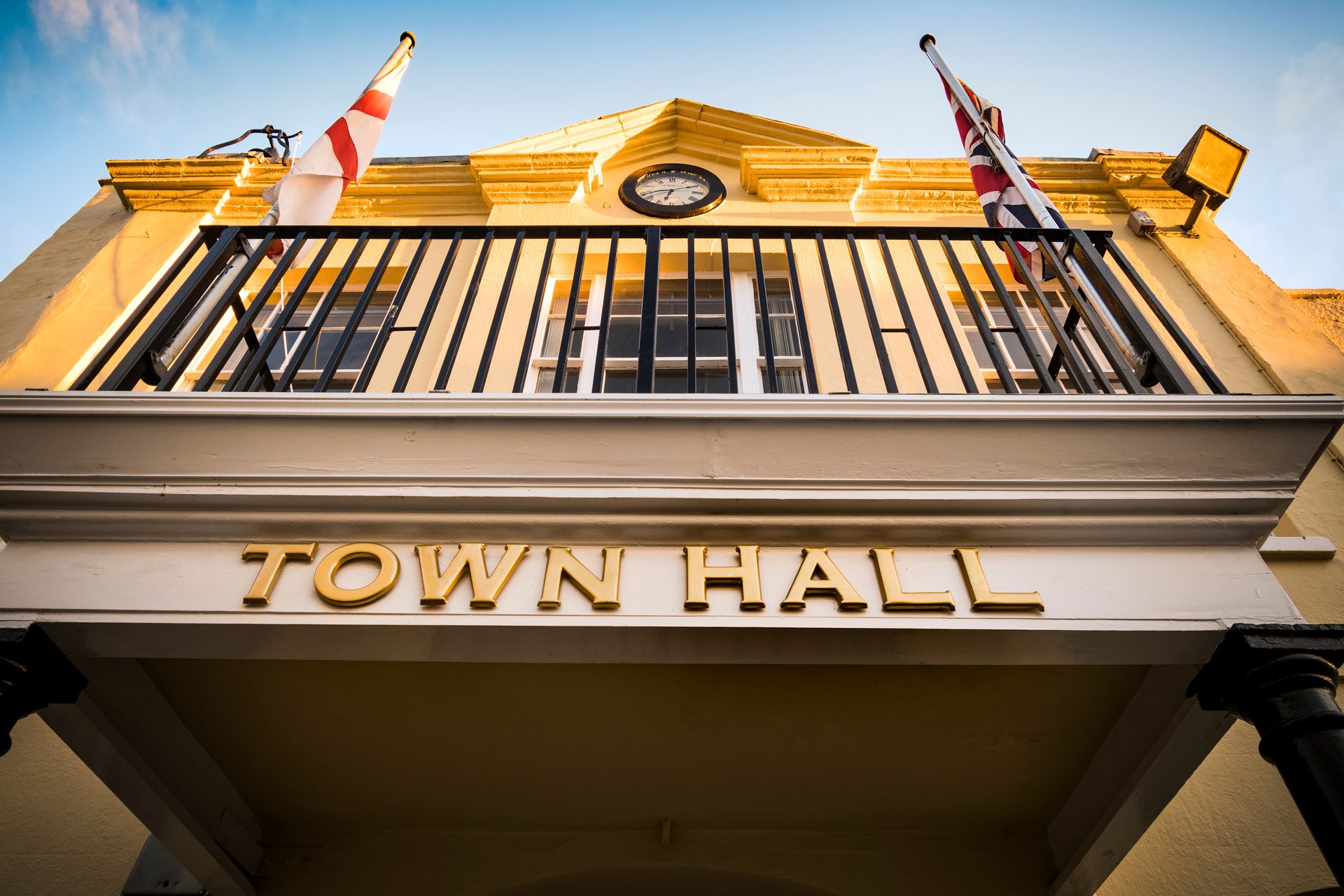
The regulations every council estate works to.
Council estates sit at the intersection of every regulatory regime: residential fire law for the housing stock, non-domestic for the civic estate, safeguarding for the schools, procurement law for how the work gets bought. The Fire Safety Order is the legal floor; the rest stack on top depending on the service area.
Fire Safety Order 2005
Article 8 imposes the Responsible Person duty across every non-domestic council building: town hall, depot, library, leisure centre, civic suite. Councils typically delegate the operational RP role to the Corporate Landlord function inside the property service.
Fire Safety (England) Regulations 2022
Quarterly inspection of communal fire doors and annual best-endeavour checks of flat entrance doors in residential blocks over eleven metres. Councils still hold roughly 1.6 million homes nationally, with hundreds of blocks in scope per authority.
Building Safety Act 2022
Higher-risk residential buildings (eighteen metres or seven storeys) in council ownership carry the Accountable Person duty, golden thread record-keeping, and Building Safety Regulator registration. Most large urban councils hold dozens of HRBs.
Best Value Statutory Duty
Section 3 of the Local Government Act 1999 requires councils to secure continuous improvement in how their functions are exercised, balancing economy, efficiency, and effectiveness. Fire safety spend has to be justified inside this framework, year on year.
Procurement Act 2023
How councils buy fire door inspection and remedial services. Frameworks are formally procured, openly published via Find a Tender, periodically re-tendered, and subject to scrutiny. Switching service providers is structurally slower than in the private sector.
BS 8214
Code of practice for fire door assemblies. The technical inspection standard DoorTRACE checklists follow as default, and the methodology competent inspectors apply across council housing, schools, and civic property.
Built around how council estates actually operate.
DoorTRACE configures around the council reality: a mixed-tenure multi-service estate, public-records scrutiny, Procurement Act framework constraints, and Section 151 capital sign-off that governs when remedials actually happen.
Inspection cycles configured per service area.
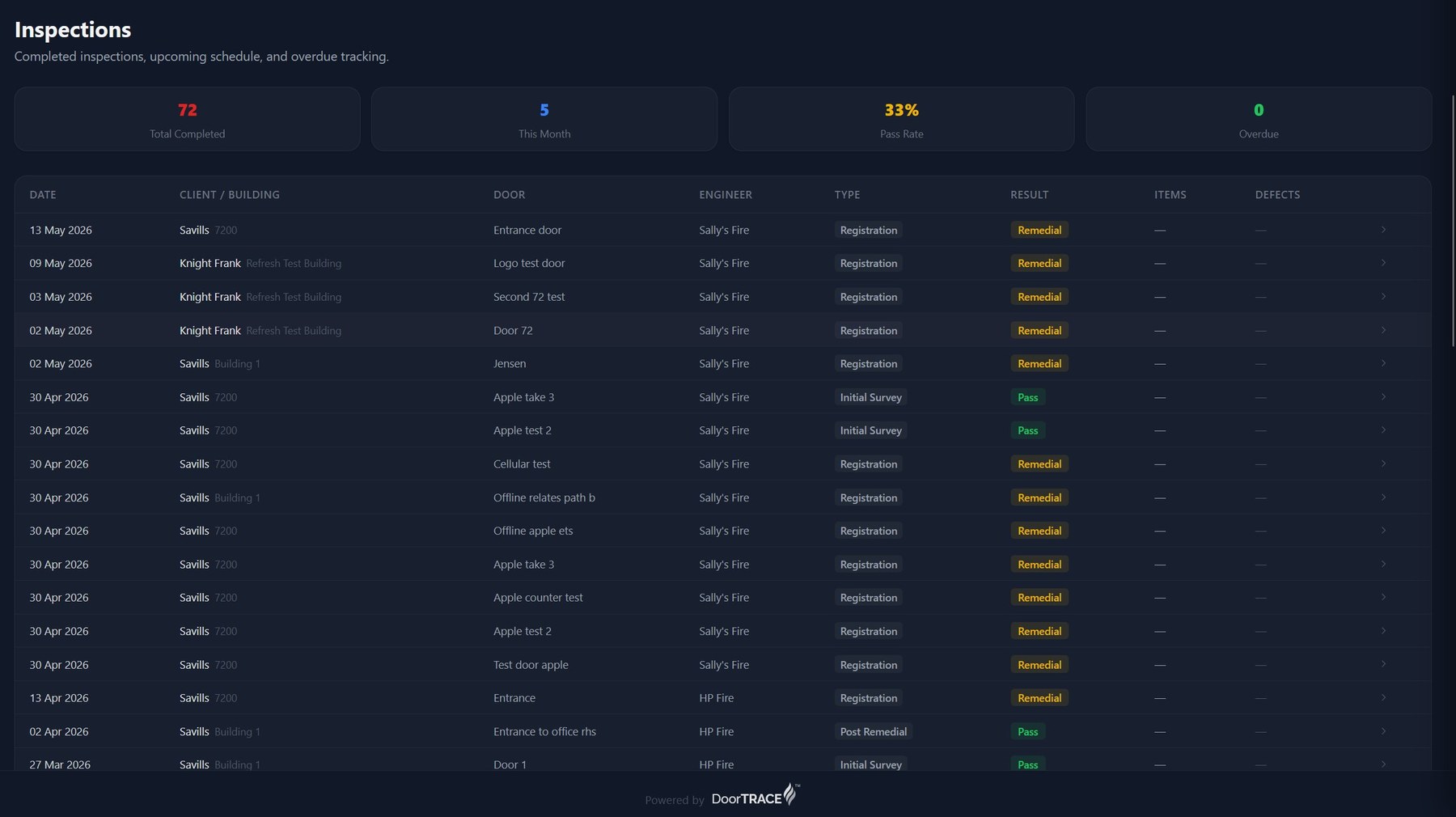
One council, many service areas. Housing on quarterly Regulation 10 cycles. Maintained schools on the academic calendar with KCSIE access notes. Civic buildings on annual FSO Article 8 cycles. Leisure centres on their own pattern. The Corporate Landlord sees the full estate roll-up from one screen, with overdue inspections flagged by service area before a member enquiry surfaces them.
An engineer app that respects DBS, safeguarding, and tenant rights.
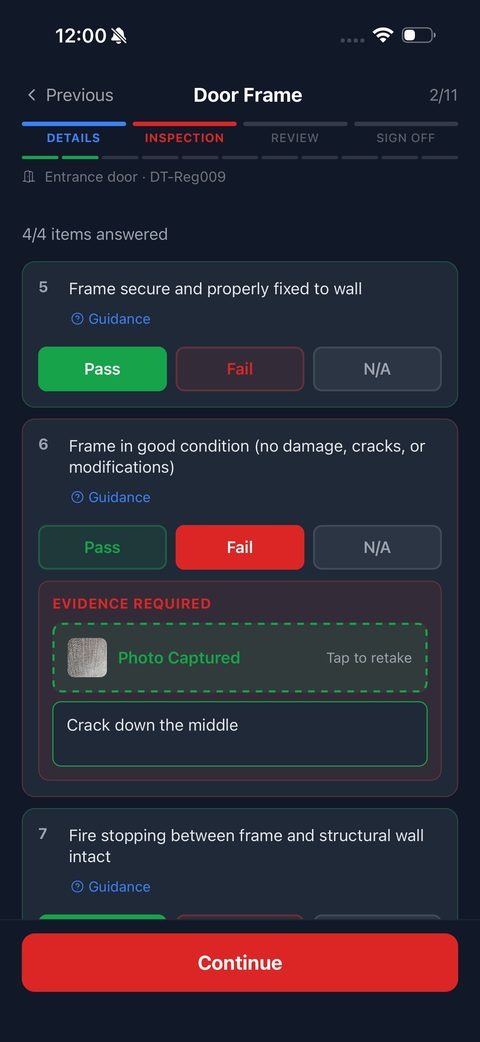
Engineers see the right context per building type before they arrive: DBS status for school visits, tenant access protocols for council housing, security clearances for civic sites. They can defer with timestamped photo evidence, route the rebook through the right team, and the audit trail covers KCSIE, FSO, and FOI exposure in one record.
A plaque every member, officer, and journalist can scan.
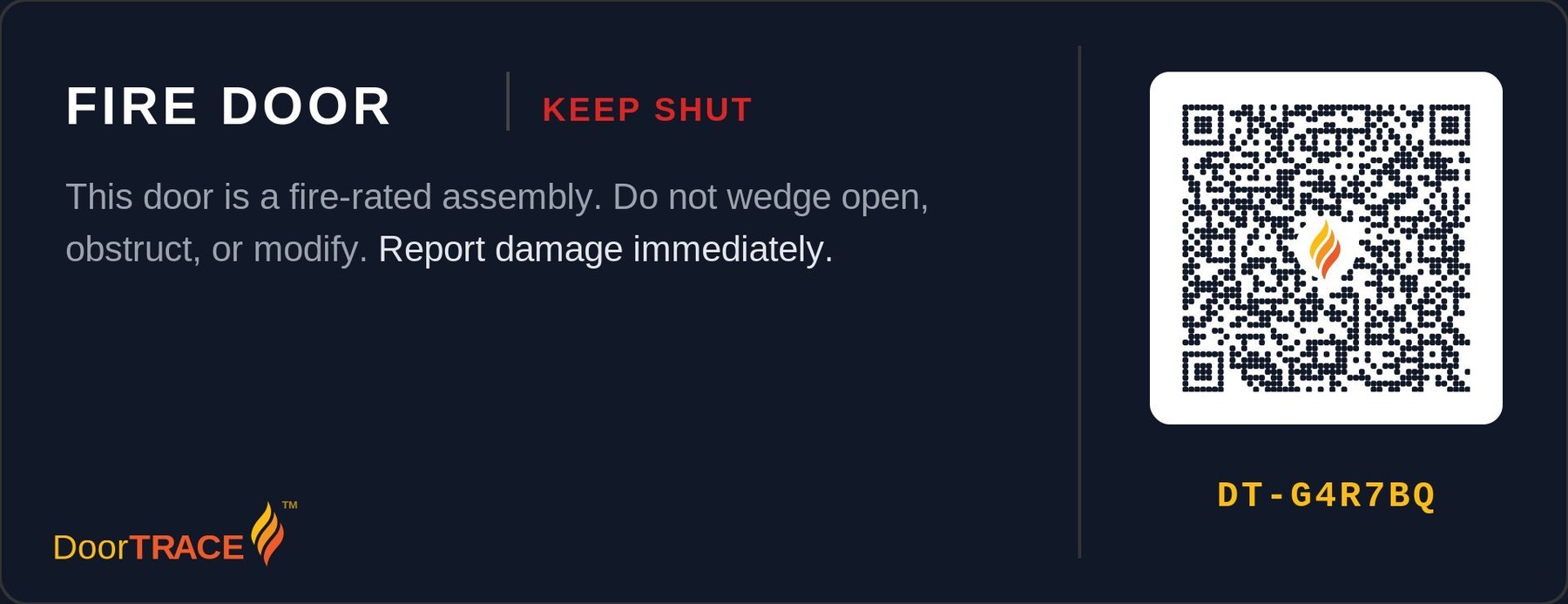
Every fire door across the council estate carries a QR plaque. Cabinet members, scrutiny committee members, fire authority officers, tenants, and members of the public can verify a door's compliance status in seconds. Plaques survive twenty years of tenant change, contractor turnover, and the British weather. The audit record is the same one an FOI export pulls.
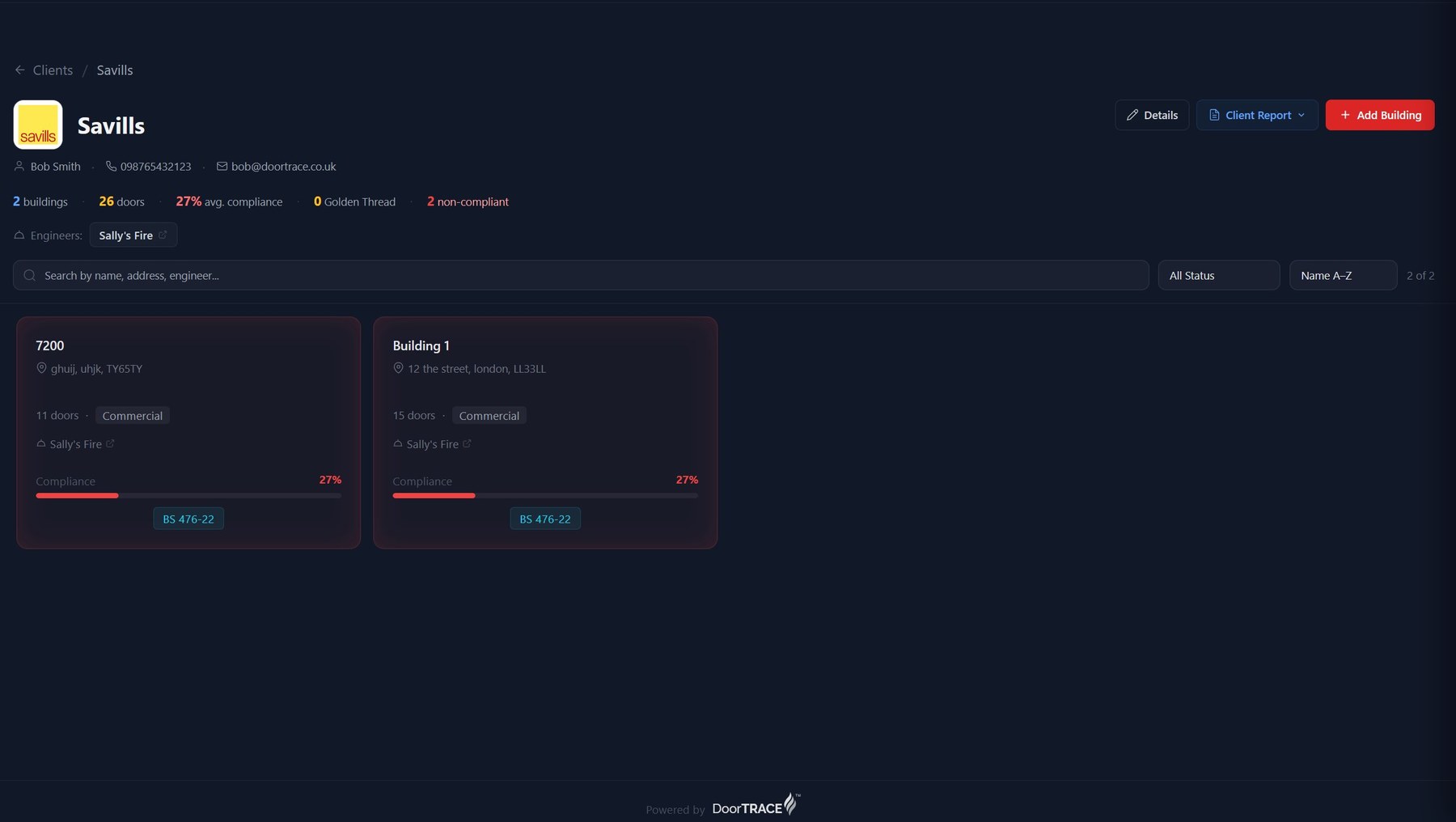
Six hundred buildings, one Cabinet briefing.
Compliance status by service area, by ward, by building type, by capital programme line. Drill into any block for door-by-door history, open defects, and the Section 151 capital queue. Export an FOI-ready evidence pack in two clicks, a scrutiny committee paper in five minutes, a Cabinet briefing in fifteen.
The UK council estate, in fire door terms.
A week in the life of a council head of property.
It is 09:00 on Monday morning. The Head of Property at a metropolitan council, responsible for six hundred corporate buildings, eight thousand council homes, and thirty LA-maintained schools, opens DoorTRACE alongside the week ahead in Outlook.
A Cabinet Member enquiry has landed overnight: "What is the state of fire door compliance in the Right-to-Buy mixed-tenure blocks on Western Avenue?" Five-working-day reply protocol. The Head of Property pulls the block-level compliance record from DoorTRACE in three minutes, with leasehold and tenanted units broken out, and drafts the reply before lunch.
Engineer team on the quarterly Reg 10 cycle at a 1960s council block. Three damaged self-closers logged, two needing full replacement. Estimated cost £4,800, above the £2,000 delegated authority threshold. Routed automatically to the Capital Works inbox with photographic evidence and supplier framework rates for the Section 151 sign-off bundle.
FOI request received: "All fire door inspection reports for the council's high-rise stock for the past twelve months." Twenty-day statutory window. The Head of Property runs the FOI export from DoorTRACE: every inspection, every defect, every photograph, redaction-ready. Pack ready inside an hour, sent to the Information Governance team for sign-off.
Tuesday's Scrutiny Committee pack due by close of play. Head of Property generates the council-wide fire safety compliance report: compliance percentages by ward, top defects by service area, capital programme spend forecast, contractor framework performance. Auto-built in forty-five minutes, ready for the Director of Place to brief the Cabinet Member.